
Snake in Your Walls?
Expert Wall Void Snake Removal Throughout Northeast Florida
A snake inside the walls is one of the most alarming — and most difficult — removal situations a homeowner can face. Snakes enter wall voids through foundation gaps, pipe penetrations, and utility chases, and can travel surprisingly far inside the structure. We use specialized detection techniques to locate snakes inside walls and remove them without unnecessary damage to your home.
Why Wall Snakes Require Professional Removal
- !Snakes inside walls can move quickly and unpredictably — cutting into the wrong location drives them deeper into the structure
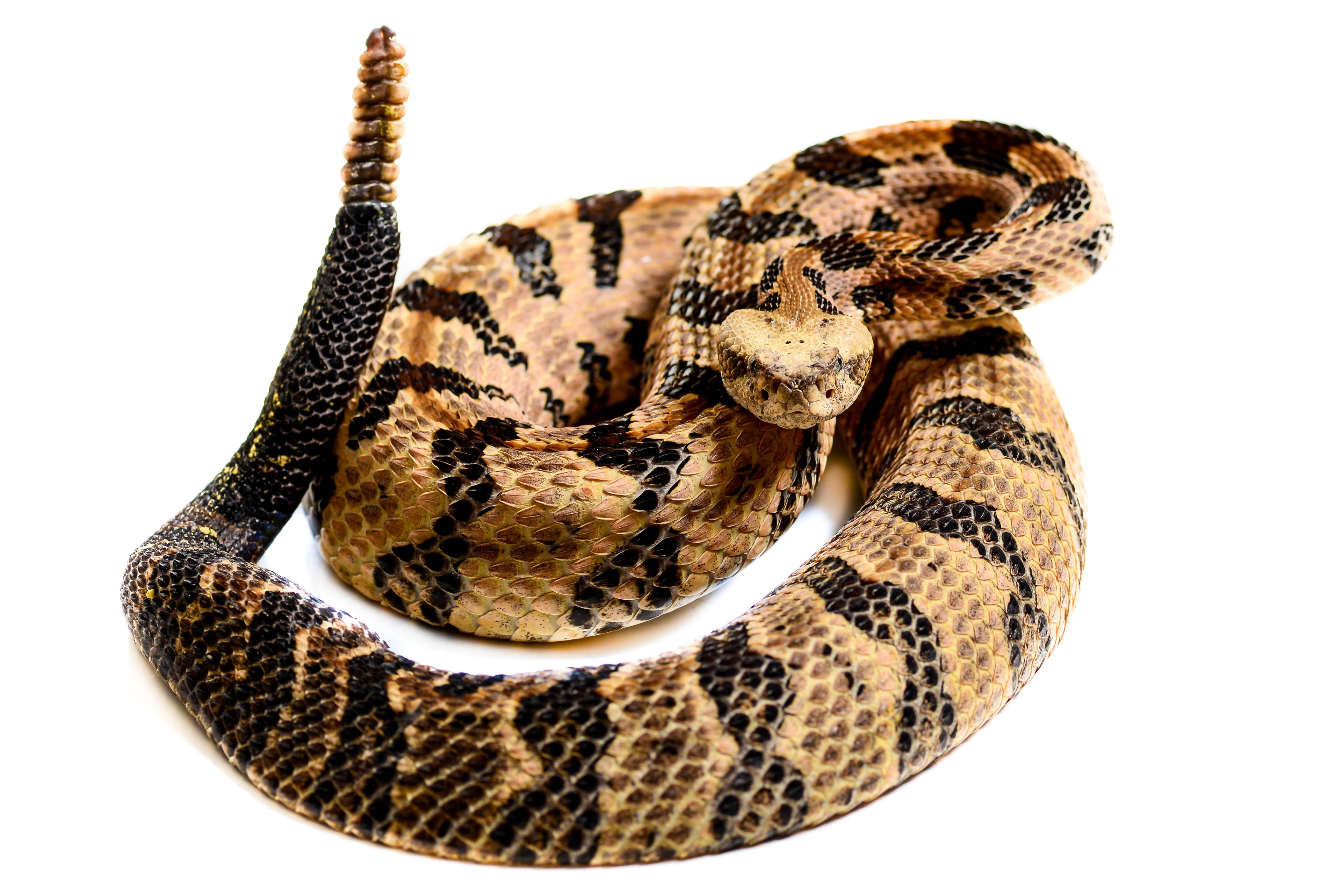
- !Venomous species including cottonmouths and rattlesnakes are occasionally found inside walls in Northeast Florida
- !Wall voids connect to attic spaces, crawlspaces, and other interior cavities — a snake can travel throughout the structure
- !Improper removal attempts often result in the snake dying inside the wall, creating odor and pest problems
- !We use thermal imaging, listening devices, and decades of experience to locate snakes precisely before any extraction
Signs of a Snake in Your Walls
Snakes inside walls are rarely seen directly. These are the most reliable indicators:
Scratching or rustling sounds
Movement sounds inside the wall — particularly a dry, sliding or rustling sound — are the most common first sign. Sounds are often heard at night when the home is quiet. Snake movement sounds are distinct from rodent scratching.
Shed skins near outlets or gaps
Snake skins found near electrical outlets, at the base of walls, near pipe penetrations, or at any gap that connects to the wall cavity confirm snake activity inside the structure.
Snake emerging from outlets or gaps
Snakes occasionally emerge from electrical outlets, gaps around pipes, or at the base of walls. This is a definitive sign of a snake inside the wall void.
Unusual odor
Some species produce a musky odor, particularly when stressed. An unexplained musty smell localized to a section of wall may indicate snake activity, especially if combined with other signs.
Visible movement under drywall
In some cases, the movement of a large snake inside a wall void is visible as a slight bulge or movement under the drywall surface. This is more common with larger species.
How Snakes Get Inside Walls
Snakes are remarkably good at finding and exploiting structural gaps. These are the most common entry routes into wall voids.
Foundation and Sill Plate Gaps
The joint where the foundation meets the framing — the sill plate — is one of the most common snake entry points into a structure. Gaps here connect directly to wall voids and are often overlooked during construction and renovation.
Pipe and Conduit Penetrations
Every pipe, conduit, and cable that enters the structure through the foundation or exterior wall is a potential entry point. Gaps around plumbing, electrical conduit, HVAC lines, and cable TV penetrations are frequently unsealed or poorly sealed.
Crawlspace and Subfloor Access
Snakes that enter the crawlspace can move up into wall voids through gaps in the subfloor framing. This is particularly common in older homes where the crawlspace has open connections to the wall cavity.
Exterior Wall Gaps and Cracks
Gaps in siding, cracks in stucco or brick veneer, deteriorated caulking around windows and doors, and gaps at the roofline all provide direct access to wall voids. A snake only needs a gap the width of its head to enter.
Attic-to-Wall Connections
Wall voids connect directly to the attic space in most residential construction. A snake that enters the attic can descend into wall voids, and vice versa. Finding a snake in the wall often indicates attic access as well.
Species Found Inside Walls in Northeast Florida
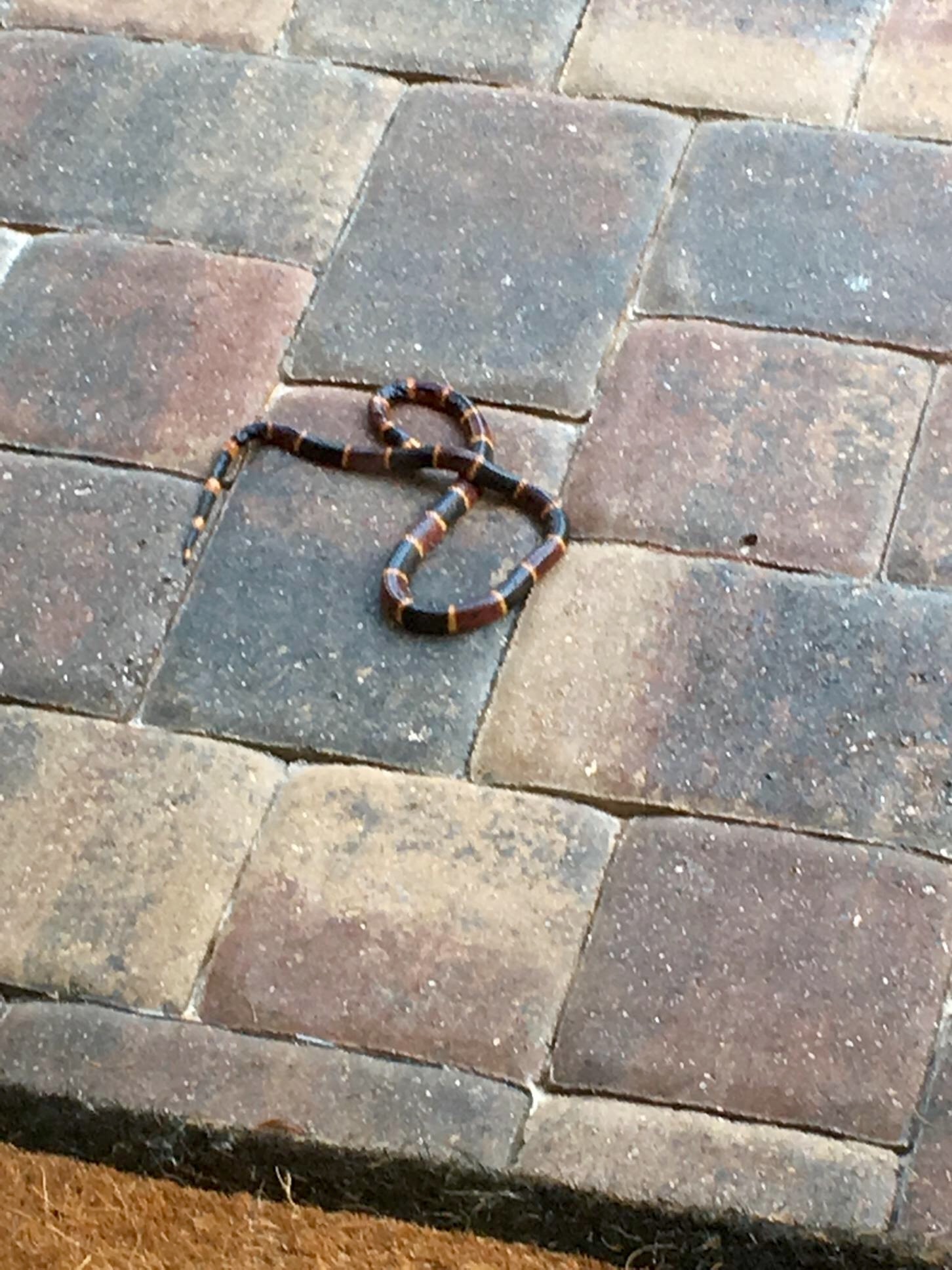
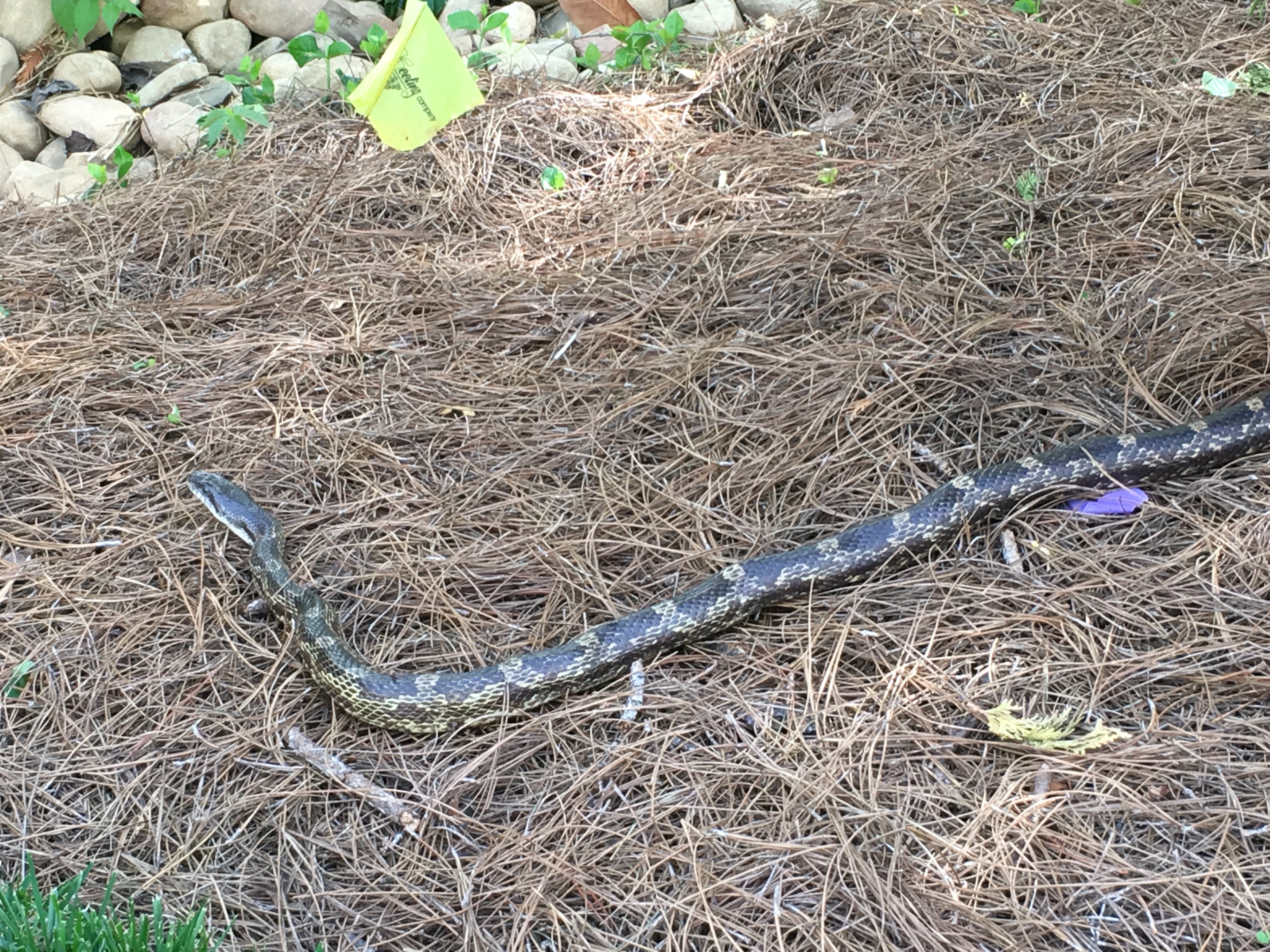
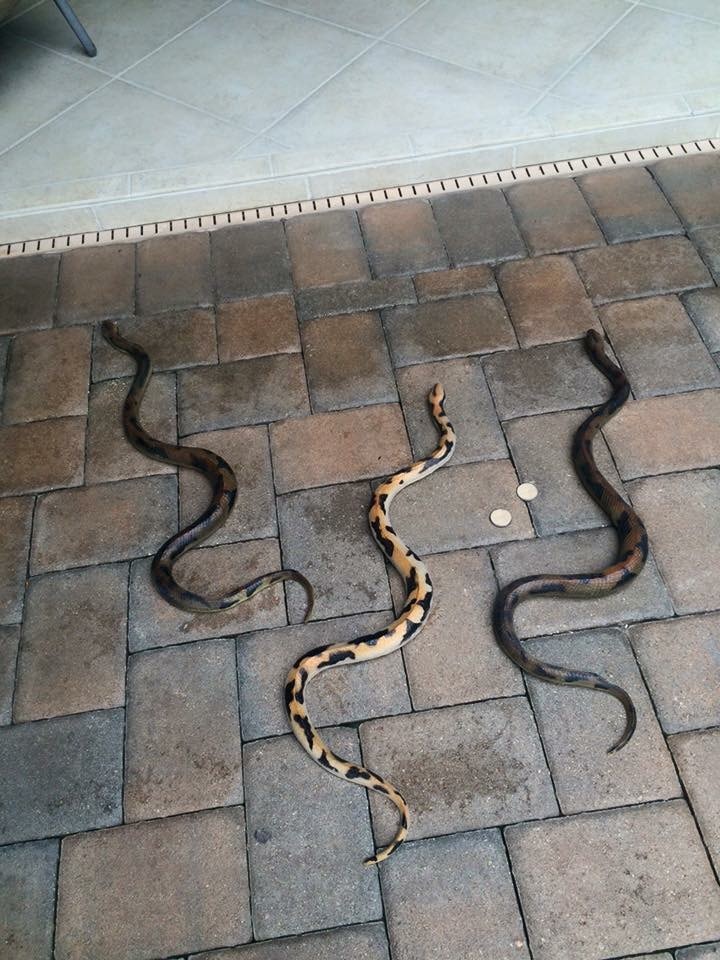
Most snakes found inside walls are non-venomous species following rodents into the structure. However, venomous species are encountered and must be treated with extreme caution.
Eastern Ratsnake
The most common species found inside walls. Excellent climbers that follow rodents into wall voids and can travel throughout the structure. Adults are solid black and typically 4 to 6 feet. Frequently found nesting in insulation inside walls.
Black Racer
Fast-moving, solid black, typically 3 to 5 feet. Enters wall voids following rodents. Will bite defensively if cornered. Non-venomous but capable of a painful bite in a confined space.
Corn Snake
Orange or reddish with dark-bordered blotches. Typically 2 to 4 feet. Frequently mistaken for a copperhead. Commonly found inside walls with rodent activity. Completely harmless.
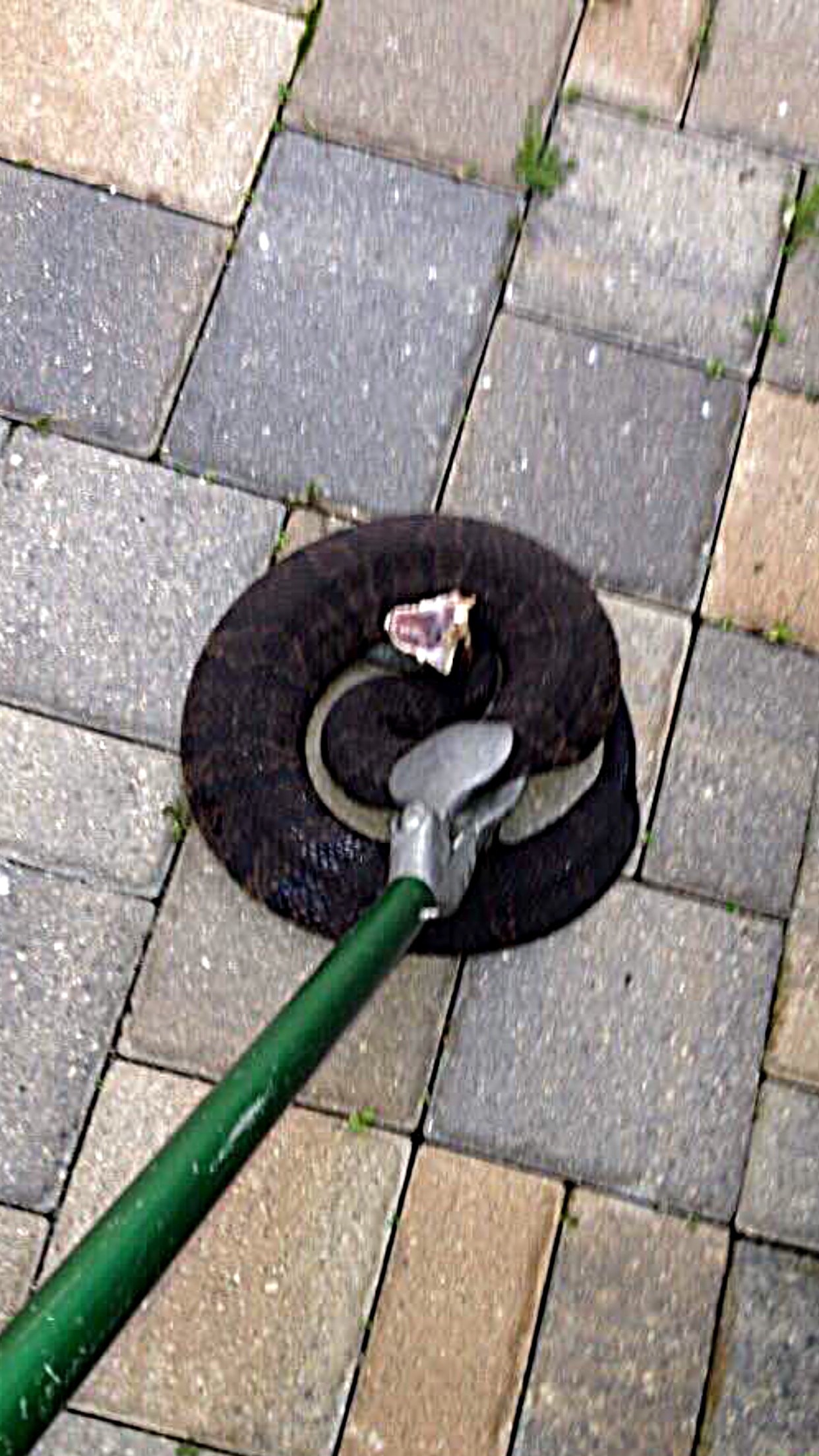
Florida Cottonmouth
VENOMOUS. Heavy-bodied, dark, typically 2 to 4 feet. Occasionally found inside walls in homes adjacent to water or wet areas. Broad triangular head and vertical pupils. Extremely dangerous in a confined space.
Pygmy Rattlesnake
VENOMOUS. Small — typically under 2 feet — with a gray or tan base and dark blotches. Very easy to overlook. Rattle is extremely faint. Bites are painful and require medical attention. Occasionally found inside walls.
Our Wall Snake Removal Process
Exterior Inspection
We begin outside, inspecting the full perimeter of the structure for entry points — foundation gaps, pipe penetrations, siding gaps, and any opening that connects to the interior wall cavity.
Interior Assessment
We assess the interior for signs of snake activity — shed skins, odor, sounds, and any gaps that connect to the wall void. We identify the most likely location of the snake within the structure.
Precision Location
Using thermal imaging, listening devices, and our knowledge of how snakes move through structures, we pinpoint the snake's location as precisely as possible before any extraction attempt.
Targeted Extraction
We extract the snake using the least invasive method possible — often through an existing gap or access point. When wall access is required, we make the smallest possible opening at the confirmed location of the snake.
Entry Point Sealing
We seal all identified entry points using professional-grade materials. This is the most critical step — without exclusion, another snake will use the same routes into the structure.
Rodent Assessment
We assess for rodent activity that may have attracted the snake and provide recommendations for addressing any infestation. Eliminating the food source is essential for long-term prevention.
Hearing Something in Your Walls?
Don't wait and don't cut into the wall. We use thermal imaging to locate snakes precisely and extract them with minimal disruption to your home. Available 24/7 throughout Northeast Florida.
Call (904) 512-1281Preventing Snakes from Entering Your Walls
Seal foundation and sill plate gaps
Inspect the perimeter of the foundation where it meets the framing. Seal gaps with caulk, expanding foam, or hardware cloth as appropriate. This is the single most effective structural exclusion measure.
Seal all pipe and conduit penetrations
Every pipe, conduit, and cable that enters the structure is a potential entry point. Seal around all penetrations at the point of entry using appropriate materials for the gap size.
Repair exterior cladding
Repair gaps in siding, cracks in stucco or brick, and deteriorated caulking around windows, doors, and trim. Maintain the exterior envelope of the structure to eliminate direct access to wall voids.
Address the crawlspace
Seal the connection between the crawlspace and wall voids. A properly sealed and excluded crawlspace dramatically reduces the risk of snakes entering the wall cavity from below.
Control rodents
Eliminate mouse and rat activity inside the structure. Snakes follow the food source — a rodent-free home is far less attractive to snakes. Address any infestation before or alongside exclusion work.