
Snake in Your Garage?
Fast, Safe Removal Throughout Jacksonville and Northeast Florida
A snake in the garage is one of the most common calls we receive — and one of the most urgent. Garages offer snakes everything they need: warmth, shelter, darkness, and easy access to rodents. Whether it slipped under the door or came in through a gap in the wall, we'll locate it, remove it safely, and seal the entry points so it doesn't happen again.
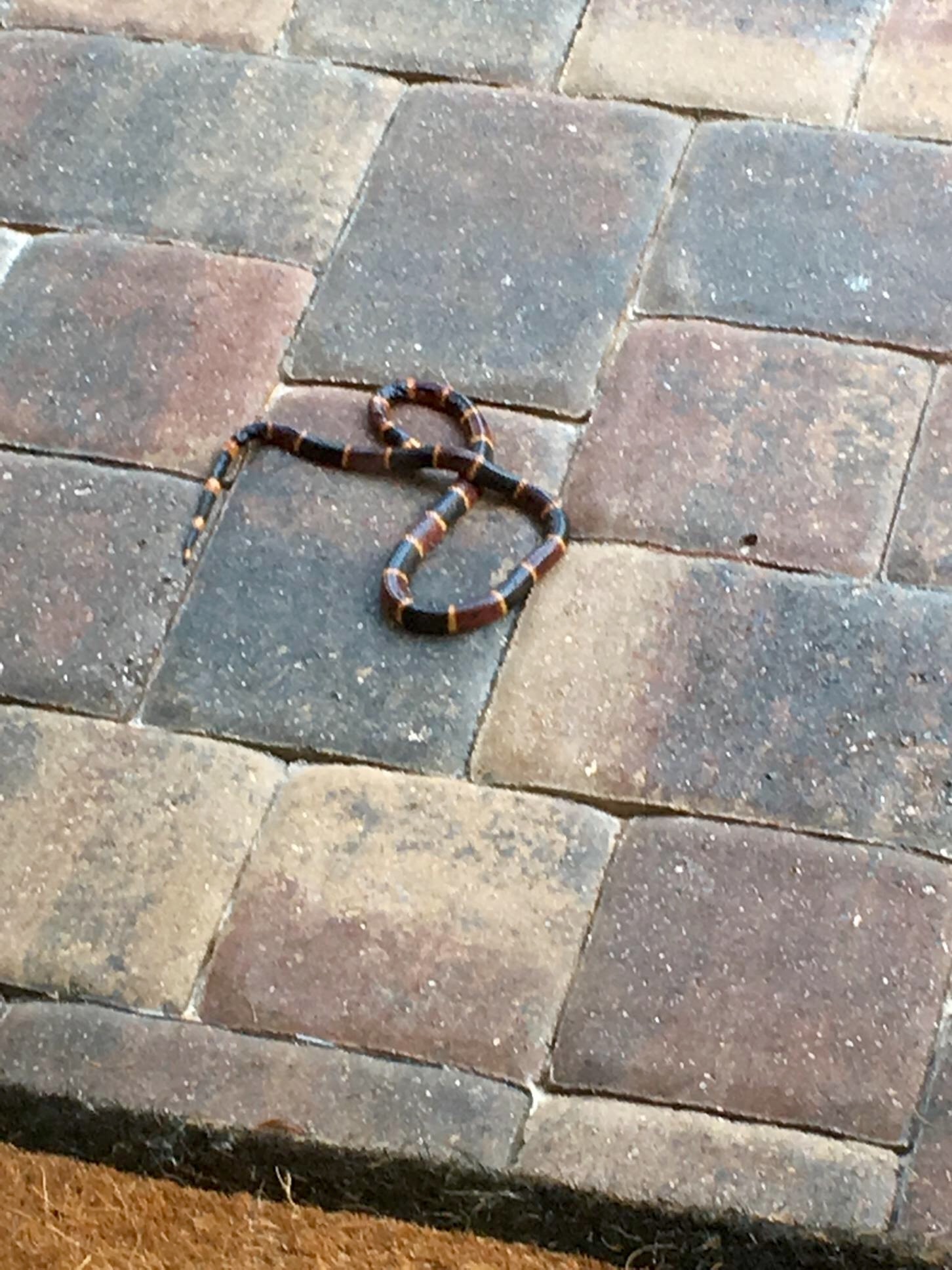
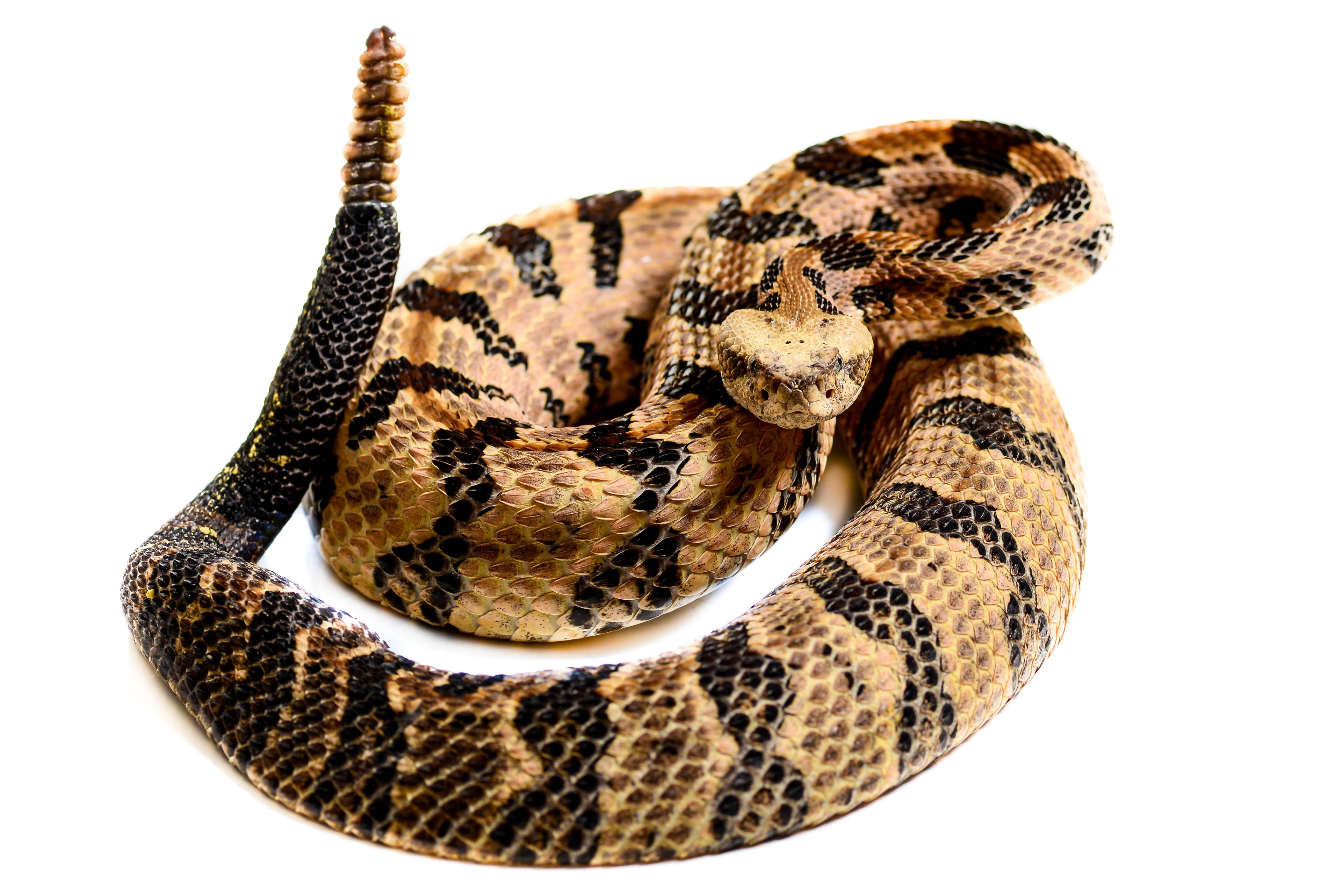
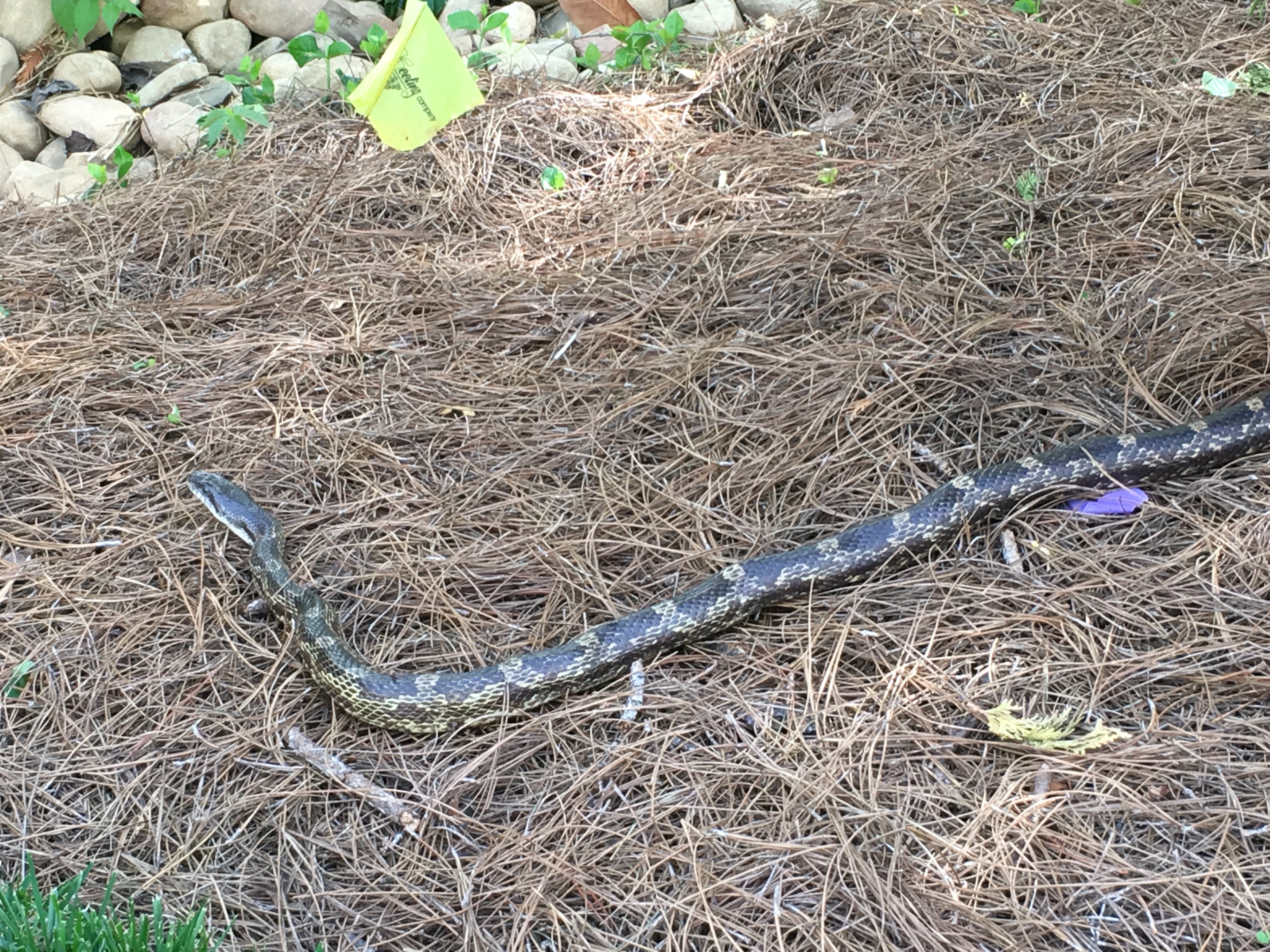
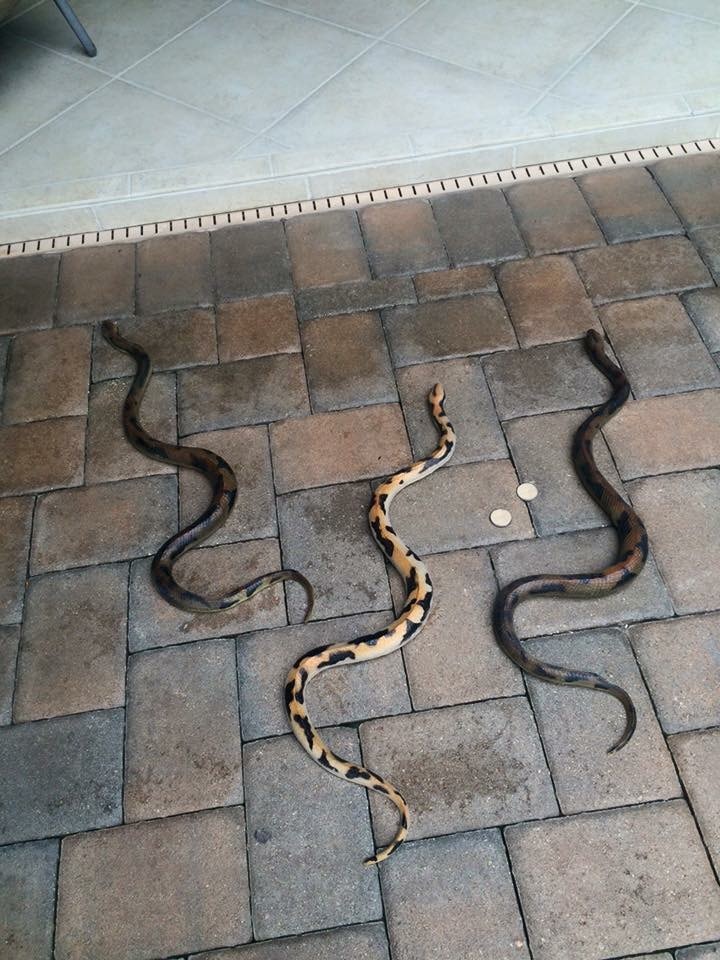
What To Do Right Now
Stay calm and move away from the snake — do not attempt to corner, capture, or kill it
Keep all people and pets out of the garage and close the door to contain the snake in that space
Do not reach into boxes, under shelving, or into dark corners — the snake may have moved
If you can safely observe the snake from a distance, note its size, color, and any distinctive markings — this helps with identification
Call Jacksonville Snake Removal at (904) 512-1281 — we respond quickly throughout Northeast Florida, 24 hours a day
Why Snakes Enter Garages
Garages are one of the most snake-prone areas of any property. Understanding why helps you prevent future intrusions.
Rodent Activity
Mice and rats are the number one reason snakes enter garages. If you have a rodent problem — or even just stored birdseed, pet food, or compost — snakes will follow the food source. Eliminating rodents is the single most effective long-term snake deterrent.
Warmth and Shelter
Garages stay warmer than the outdoors in cool weather and cooler in summer heat. Snakes are cold-blooded and actively seek temperature-regulated environments. A garage with clutter, stored boxes, or a water heater is an ideal refuge.
Easy Entry Points
Most garages have significant gaps — under the door, around pipes, through foundation cracks, or via vents. A snake only needs a gap the width of a pencil to enter. Garage doors with worn weatherstripping are a primary entry point.
Clutter and Cover
Stored boxes, firewood, lawn equipment, and piles of debris give snakes exactly what they need: dark, undisturbed hiding spots where they can rest, hunt, and in some cases nest. A cluttered garage is a far more attractive target than a clean one.
Common Species Found in Jacksonville Garages
Most snakes found in garages are non-venomous, but several venomous species are also encountered. Never assume a snake is harmless based on appearance alone.
Black Racer
The most commonly encountered snake in Jacksonville garages. Fast-moving, solid black, and typically 3 to 5 feet. Completely harmless but will bite defensively if cornered. Often enters following rodents.
Eastern Ratsnake
An excellent climber that can access garages through wall gaps and even rafters. Adults are solid black; juveniles have a blotched pattern. Typically 4 to 6 feet. Beneficial rodent hunter but should be removed from living spaces.
Corn Snake
Orange or reddish with dark-bordered blotches. Typically 2 to 4 feet. Frequently mistaken for a copperhead. Completely harmless and a beneficial rodent predator.
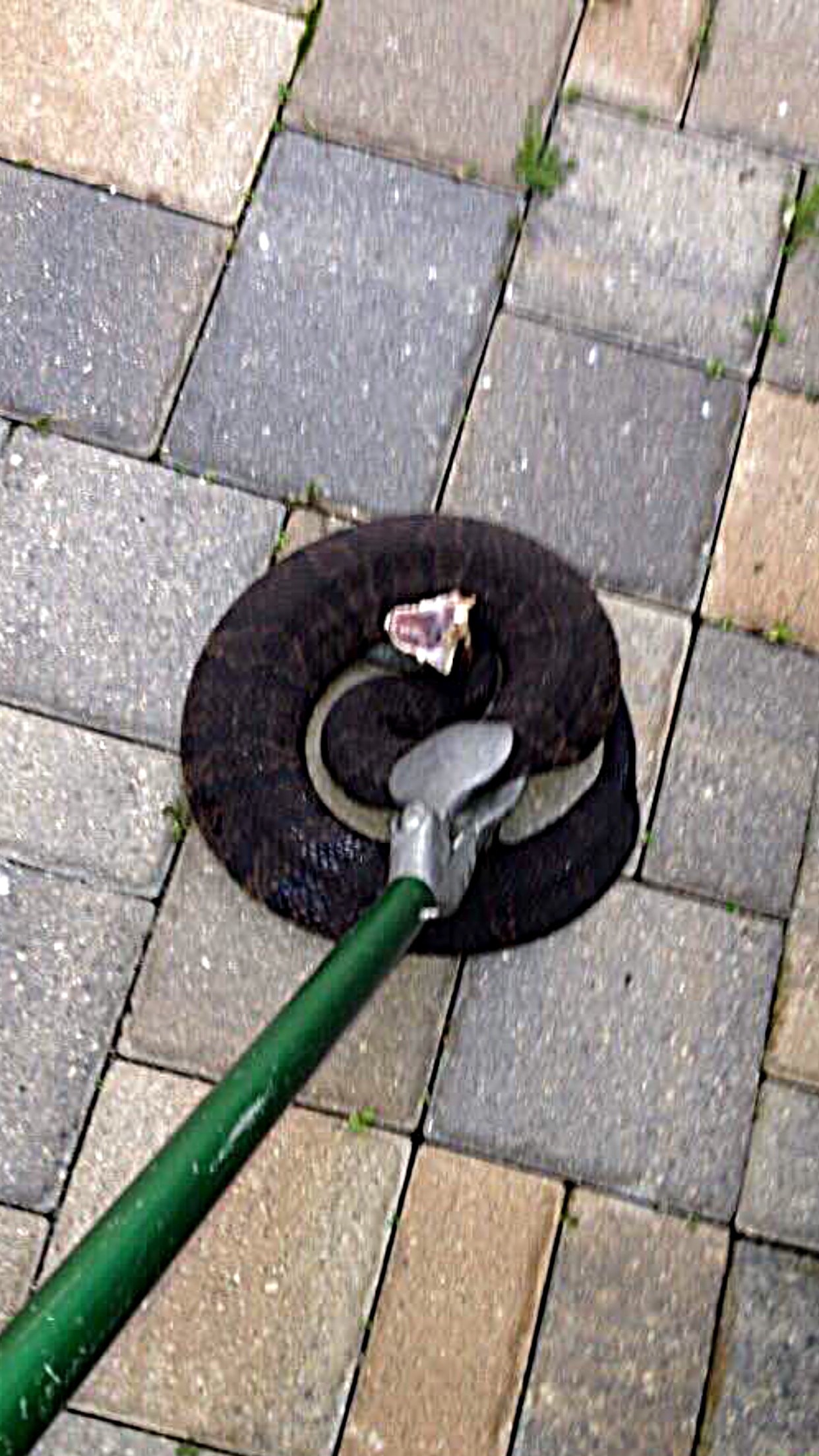
Florida Cottonmouth
VENOMOUS. Heavy-bodied, dark-colored, typically 2 to 4 feet. Found near garages adjacent to water, drainage ditches, or wet areas. Broad triangular head and vertical pupils. Do not approach.
Eastern Diamondback Rattlesnake
VENOMOUS. North America's largest venomous snake — up to 8 feet. Diamond pattern on a tan or brown base. Rattle may or may not be heard. Occasionally found in garages in suburban areas near natural habitat. Extremely dangerous.
Pygmy Rattlesnake
VENOMOUS. Small — typically under 2 feet — with a gray or tan base and dark blotches. Easy to overlook. Rattle is very faint. Bites are painful and require medical attention.
Not Sure If It's Venomous?
Don't take the risk. We identify and remove all species safely — venomous or not.
Call (904) 512-1281 — Available 24/7How to Keep Snakes Out of Your Garage
Seal the garage door
Install or replace weatherstripping along the bottom of the garage door. A tight seal is the single most effective barrier against snake entry. Check the seal annually and after any door adjustment.
Eliminate rodents
Address any mouse or rat activity in or around the garage. Remove food sources — birdseed, pet food, compost — and seal any gaps rodents use to enter. No rodents means far less snake activity.
Reduce clutter
Store boxes off the floor on shelving. Keep firewood outside and away from the structure. Eliminate the dark, undisturbed hiding spots that make a garage attractive to snakes.
Seal gaps and penetrations
Inspect the garage for gaps around pipes, conduit, and utility penetrations. Seal with caulk, expanding foam, or hardware cloth. Pay particular attention to where the garage meets the foundation.
Consider professional snake proofing
Our snake proofing service includes a full perimeter inspection, identification of all entry points, and professional-grade exclusion work. We back our work with a warranty.