
Snake Living Under Your Home?
Foundation and Under-Home Snake Removal Throughout Northeast Florida
Finding evidence of a snake living under your home — shed skins near the foundation, sightings at the base of the structure, or sounds from below the floor — is a situation that requires prompt professional attention. Snakes that establish themselves under a home have access to the crawlspace, wall voids, and in some cases the living area. We locate, remove, and exclude snakes from under homes of every foundation type throughout Northeast Florida.
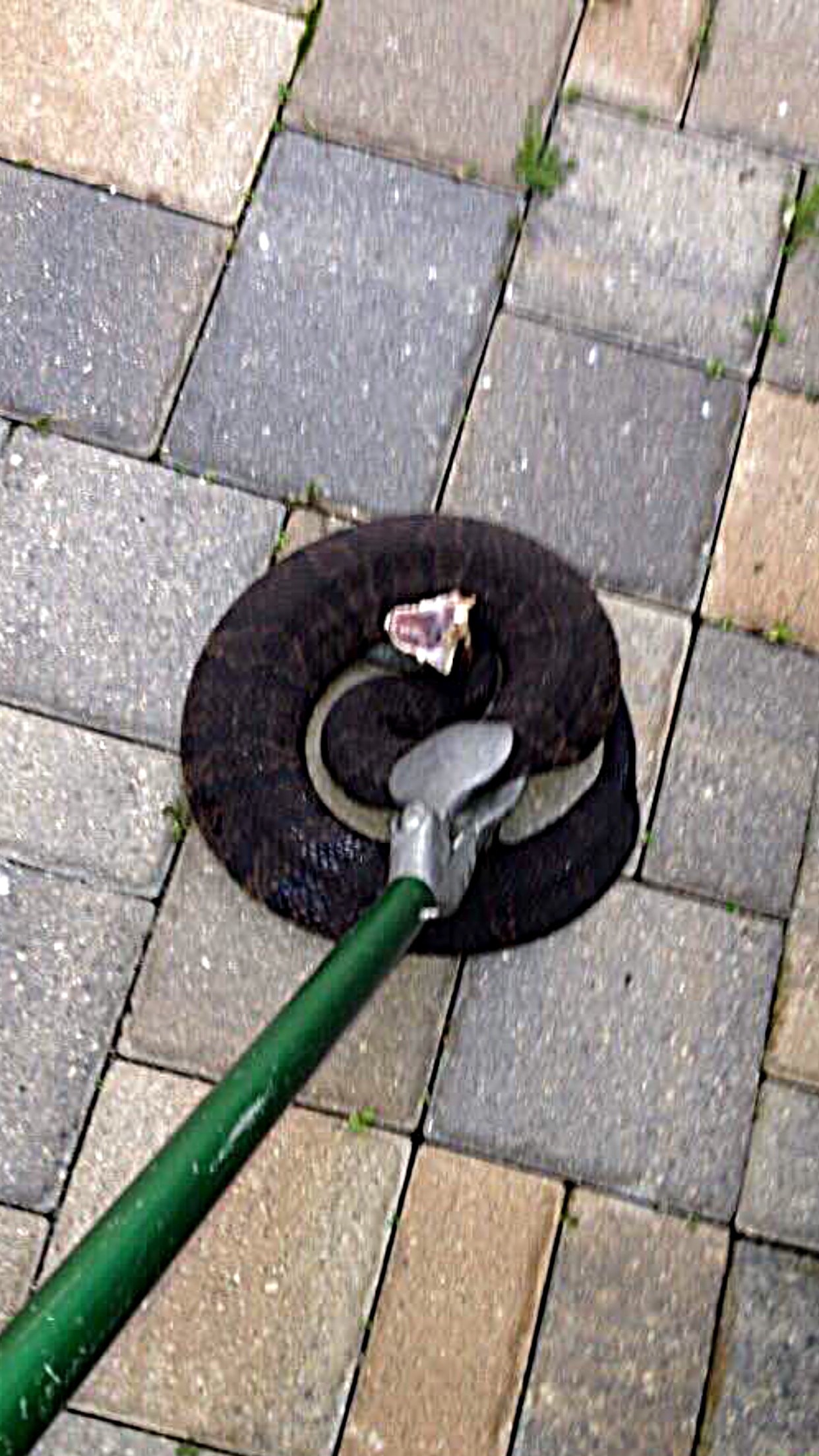
We Remove Snakes from Every Foundation Type
Northeast Florida homes are built on a variety of foundation types, each presenting different access and removal challenges.
Slab-on-Grade
Slab foundations have no crawlspace, but snakes can still establish themselves in the gap between the slab edge and the soil, under AC units and equipment pads, in utility chases, and in the void beneath porches and additions. Entry into the living area is possible through pipe penetrations and expansion joints.
Pier-and-Beam
Pier-and-beam foundations create an open or semi-open space beneath the home that is highly attractive to snakes. This space offers shade, stable temperature, moisture, and easy access to rodents. Snakes can move freely throughout the under-home space and access the interior through subfloor gaps.
Elevated / Stilt Homes
Elevated homes — common in flood-prone areas of Northeast Florida — have a fully open space beneath the structure. This space is easily accessible to snakes from any direction. Larger species including Eastern Diamondbacks are occasionally found sheltering under elevated homes.
Block Foundation with Crawlspace
Block foundations with a crawlspace combine the access challenges of a pier-and-beam with the enclosed space of a traditional crawlspace. Snakes enter through foundation vents, gaps in the block, and deteriorated screens. Once inside, they have access to the full under-home space.
Signs a Snake Is Living Under Your Home
Shed skins at the foundation
Shed skins found near foundation vents, at the base of skirting, or at any gap in the foundation perimeter confirm snake activity under the structure. Skins can persist for months and are the most reliable physical evidence.
Repeated sightings near the foundation
Seeing the same snake — or snakes — repeatedly near the base of the structure, near vents, or emerging from under skirting indicates the snake is using the under-home space as a refuge rather than passing through.
Sounds from below the floor
Movement sounds from below the floor — a dry sliding or rustling sound — may indicate a snake in the crawlspace or under-home space. This is more commonly heard in pier-and-beam and block foundation homes.
Rodent activity followed by silence
A sudden decrease in rodent activity after a period of obvious mouse or rat presence under the home can indicate a snake has moved in and is actively hunting.
Snake entering or exiting a foundation gap
Directly observing a snake entering or exiting a gap in the foundation, skirting, or vent is a definitive sign that the snake is using the under-home space. Note the location — this is the primary entry point.
Why Snakes Live Under Homes
Temperature Regulation
The space under a home maintains a relatively stable temperature year-round — cooler than the surface in summer, warmer in winter. For cold-blooded snakes, this is an ideal thermal refuge, particularly during Florida's hottest months.
Rodent Activity
Mice and rats frequently nest under homes, attracted by insulation, stored materials, and shelter. Snakes follow the food source. A home with an active rodent population under the structure will attract snakes repeatedly until the rodent problem is resolved.
Moisture and Shade
The space under a home is typically shaded and retains moisture from the soil. Many Florida snake species — particularly cottonmouths and ratsnakes — are attracted to moist, shaded environments that mimic their natural habitat.
Nesting and Egg-Laying
Female snakes seek out protected, undisturbed spaces to lay eggs or give birth. The space under a home — particularly one with insulation, debris, or stored materials — is a prime nesting site. A nesting female can result in multiple snakes under the same structure.
Species Commonly Found Under Homes
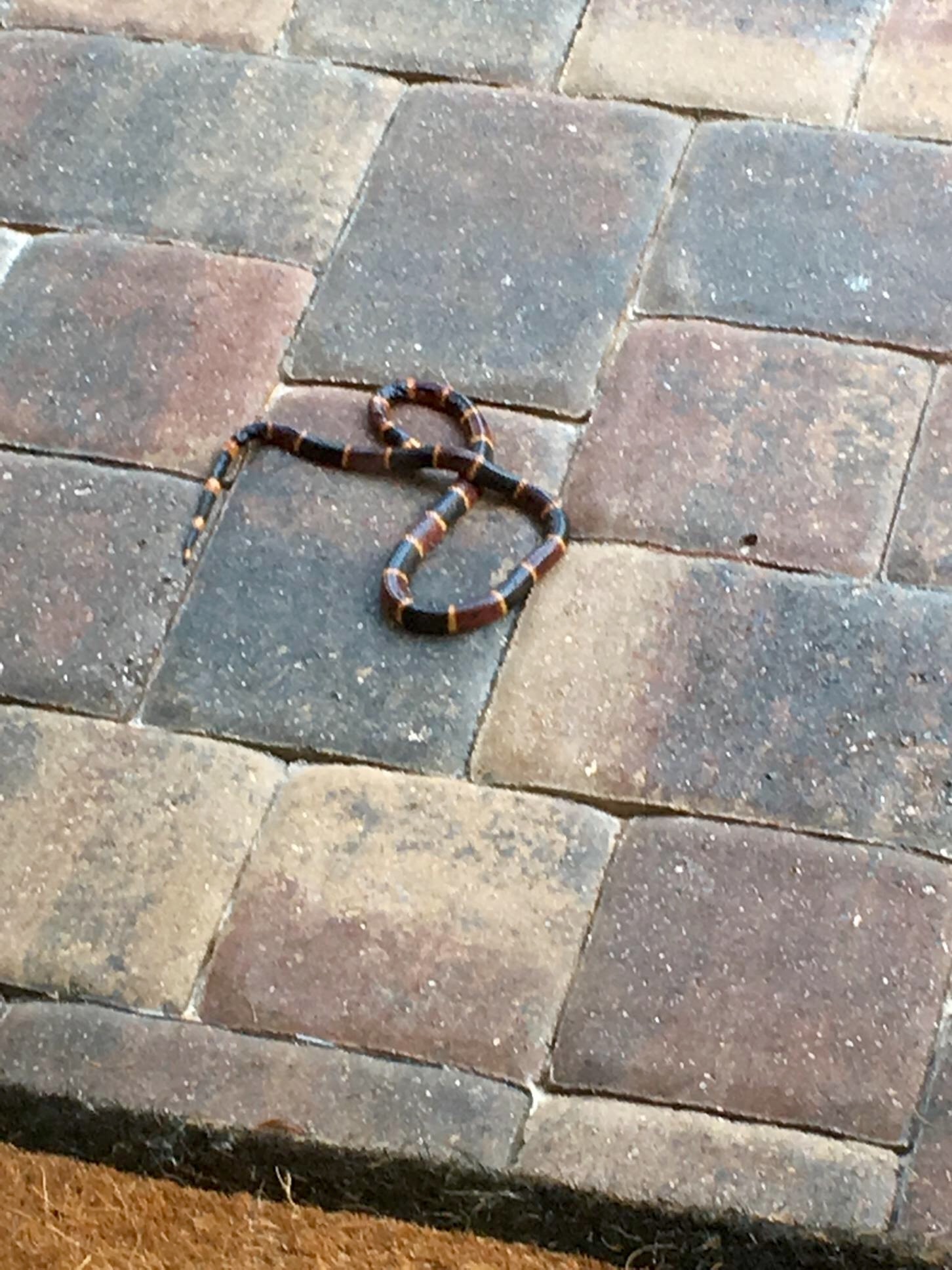
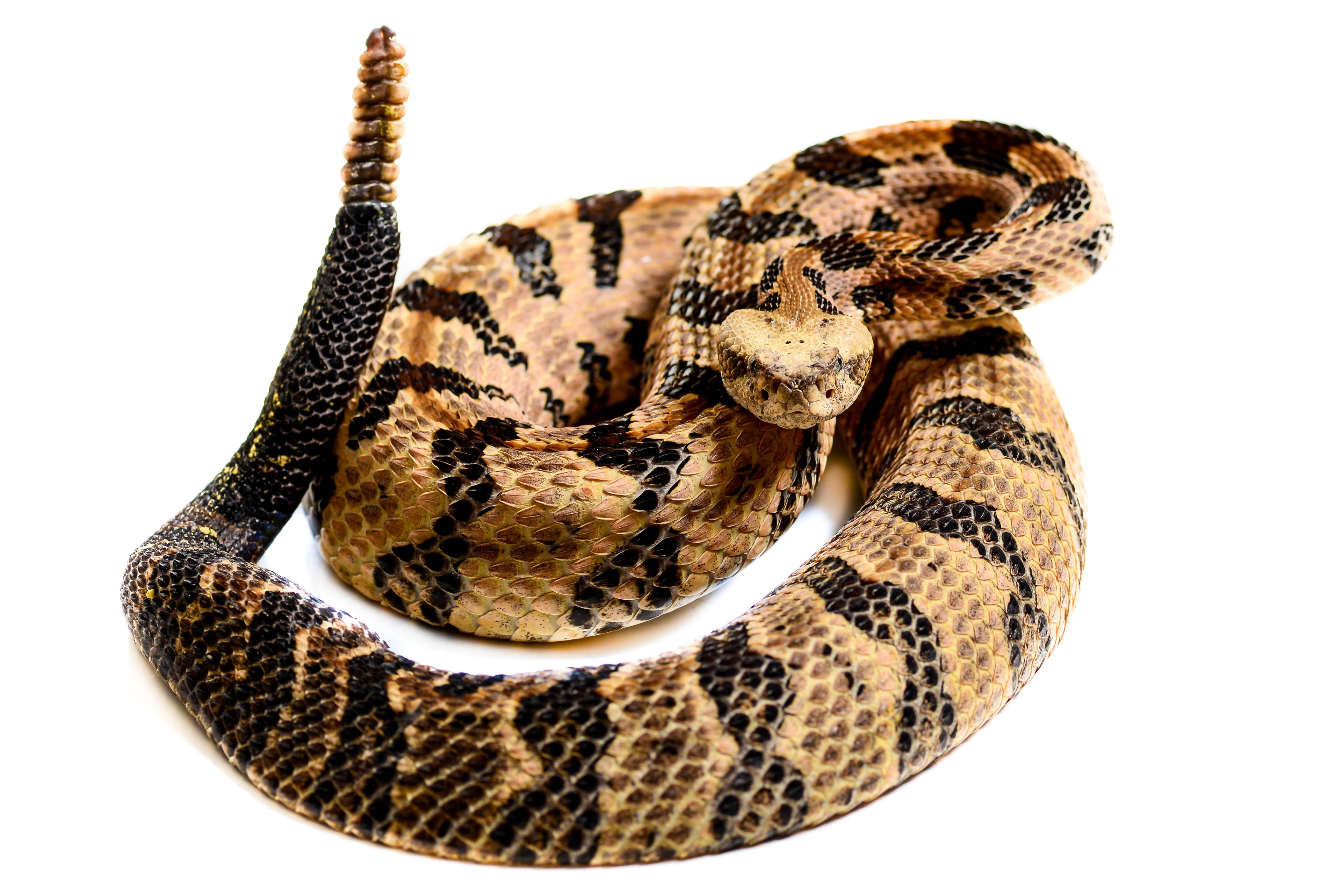
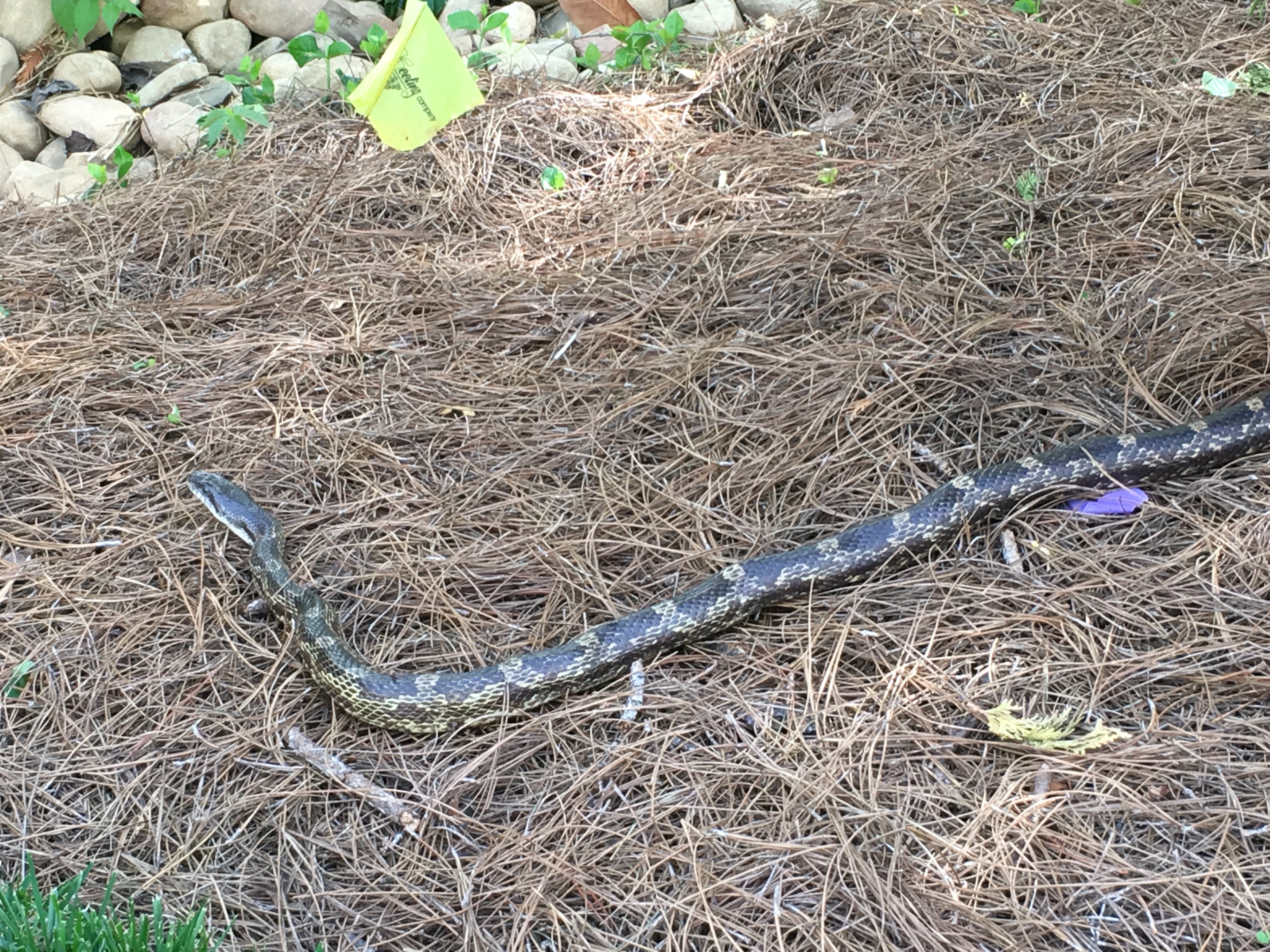
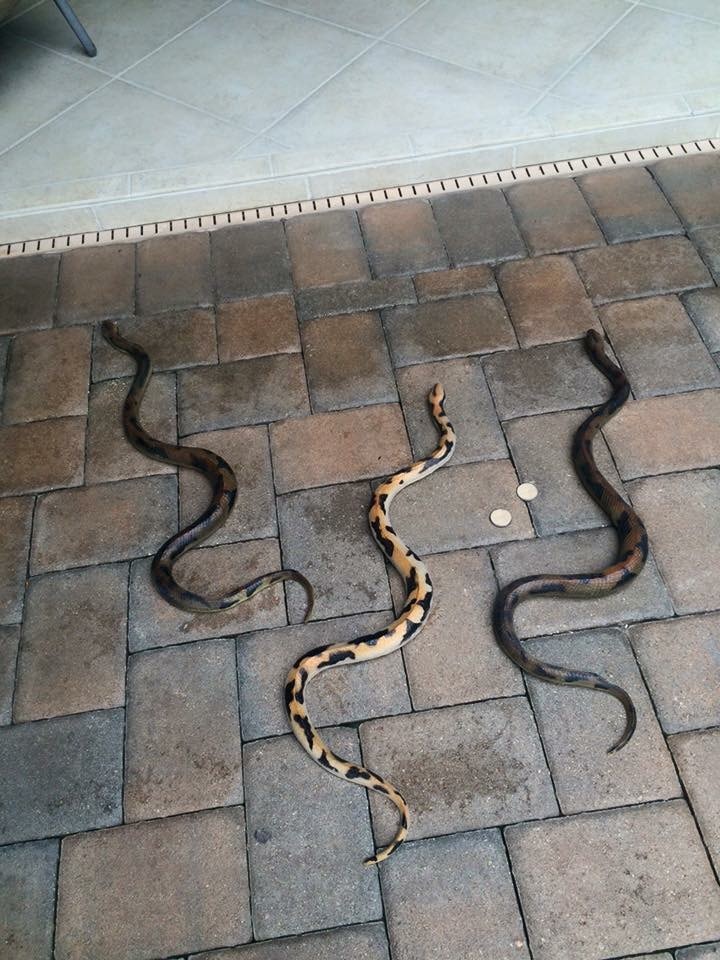
Both venomous and non-venomous species are regularly found under homes throughout Northeast Florida. Never assume a snake near the foundation is harmless.
Eastern Ratsnake
The most common species found under homes in Northeast Florida. Excellent climbers that follow rodents into crawlspaces and under-home spaces. Adults are solid black and typically 4 to 6 feet. Frequently found nesting in insulation. Harmless but should be removed and excluded.
Black Racer
Fast-moving, solid black, typically 3 to 5 feet. Commonly found under homes following rodents. Will bite defensively if cornered. Non-venomous but capable of a painful bite.
Corn Snake
Orange or reddish with dark-bordered blotches. Typically 2 to 4 feet. Frequently mistaken for a copperhead. Commonly found under homes with rodent activity. Completely harmless.
Florida Cottonmouth
VENOMOUS. Heavy-bodied, dark, typically 2 to 4 feet. Frequently found under homes adjacent to water, drainage ditches, or wet areas. Broad triangular head and vertical pupils. One of the most common venomous species found under Northeast Florida homes.
Eastern Diamondback Rattlesnake
VENOMOUS. North America's largest venomous snake — up to 8 feet. Diamond pattern on tan or brown base. Occasionally found sheltering under elevated homes and pier-and-beam structures in suburban areas near natural habitat. Extremely dangerous.
Pygmy Rattlesnake
VENOMOUS. Small — typically under 2 feet — with a gray or tan base and dark blotches. Very easy to overlook near the foundation. Rattle is extremely faint. Bites are painful and require medical attention.
Our Under-Home Removal Process
Perimeter Inspection
We walk the full perimeter of the structure, inspecting for shed skins, entry points, and signs of snake activity. We identify all gaps in the foundation, skirting, vents, and utility penetrations.
Under-Home Assessment
Where safe and accessible, we assess the under-home space for snake activity — shed skins, nesting material, eggs, and the snake itself. We use specialized lighting and mirrors to inspect areas that cannot be safely entered.
Targeted Removal
We remove the snake using professional capture equipment appropriate for the species. Venomous species require specialized handling tools and protocols. We never rush a removal — a careful, controlled extraction is always safer than a hasty one.
Exclusion and Sealing
We seal all identified entry points using professional-grade materials — hardware cloth, concrete patching, expanding foam, and purpose-built vent covers. This is the most important step for preventing recurrence.
Rodent Assessment
We assess for rodent activity under the structure and provide recommendations for addressing any infestation. Eliminating the food source is essential for long-term prevention.
Snake Under Your Home? Don't Wait.
We remove snakes from under slab, pier-and-beam, elevated, and block foundation homes throughout Jacksonville and Northeast Florida. Removal and exclusion in a single visit. Available 24/7.
Call (904) 512-1281 — Available 24/7Keeping Snakes from Living Under Your Home
Seal foundation vents and screens
Replace damaged or missing foundation vent screens with tight-fitting hardware cloth. Standard vent screens often have gaps large enough for snakes to enter. Inspect all vents annually and after any foundation work.
Seal skirting gaps on mobile and modular homes
Gaps in skirting are one of the most common entry points for snakes under mobile and modular homes. Inspect the full perimeter of the skirting and seal all gaps with appropriate materials. Pay particular attention to corners and utility penetrations.
Seal pipe and utility penetrations
Every pipe, conduit, and utility line that enters the structure through the foundation is a potential entry point. Seal around all penetrations at the foundation level with caulk, expanding foam, or hardware cloth as appropriate.
Eliminate rodents
Address any mouse or rat activity under the structure. Remove food sources from the surrounding property and seal rodent entry points. A home without rodents is far less attractive to snakes.
Remove debris and harborage
Clear debris, stored materials, and vegetation from the perimeter of the foundation. Woodpiles, stored lumber, and dense ground cover adjacent to the foundation provide cover for snakes approaching the structure.