
Timber Rattlesnake Identification
A Large, Powerful Pit Viper Found in Northeast Florida's Forests
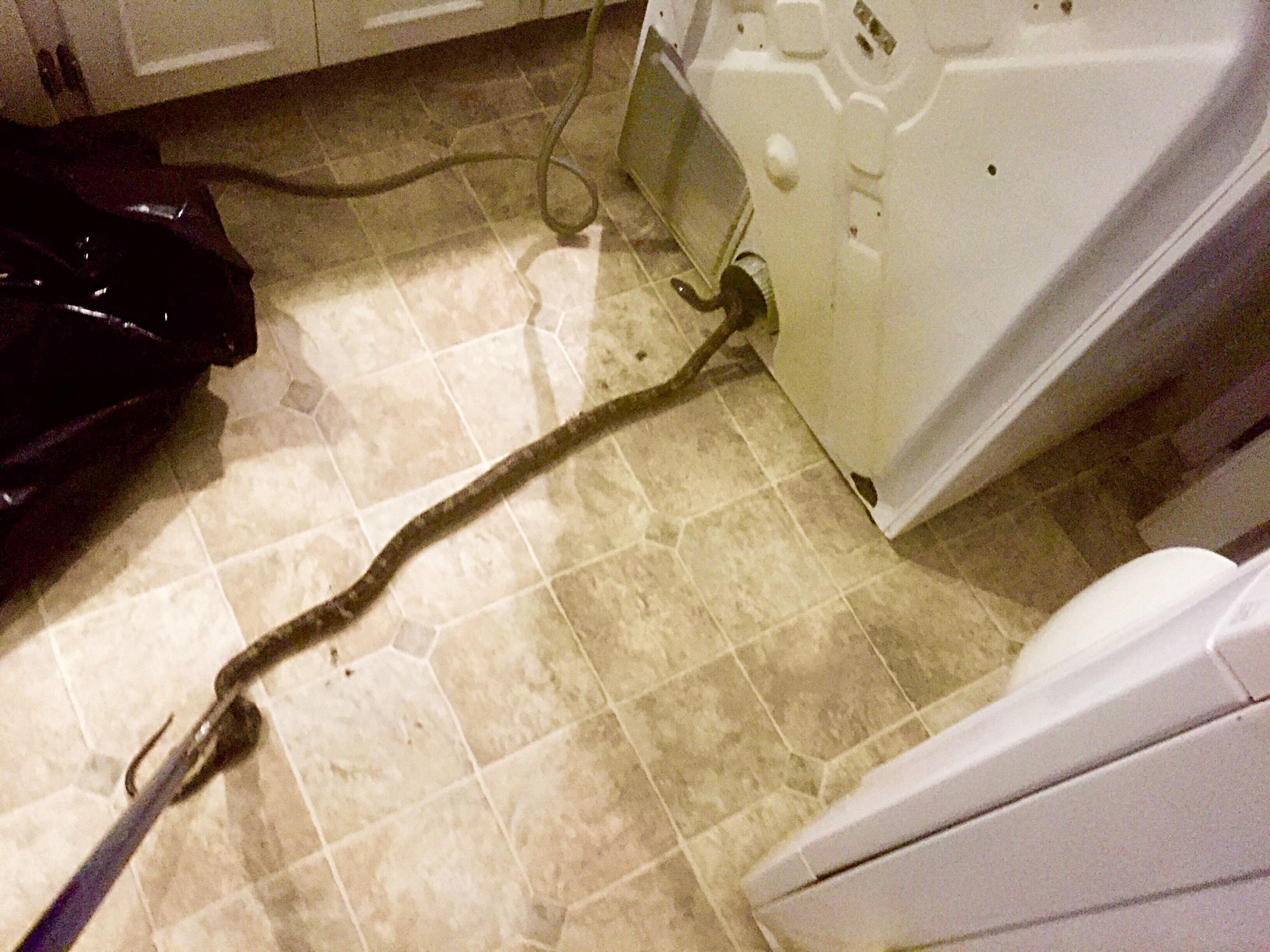
The timber rattlesnake (Crotalus horridus) is one of North America's most formidable venomous snakes. In Northeast Florida it inhabits hardwood forests, river swamps, and upland pine woods — and is occasionally encountered on the suburban fringe where development meets natural habitat.
Quick Identification Guide
Size
Large — typically 3 to 5 feet; heavy-bodied and muscular
Head shape
Broad, flat, distinctly triangular — much wider than the neck
Pattern
Dark brown or black chevron-shaped crossbands on a gray, yellow, or brown base; a rust-colored or orange dorsal stripe is common
Rattle
Large, well-developed rattle — produces a loud, sustained buzz when threatened
Pupils
Vertical, elliptical (cat-like) pupils
Pit organs
Heat-sensing pit between eye and nostril on each side
Tail
Black tail tip leading to the rattle; tail is distinctly darker than the rest of the body
Coloring
Two color phases in Florida — yellow phase (lighter base with dark bands) and dark/black phase (heavily melanistic, bands may be obscured)
Behavior & Habitat
Where They Live
In Northeast Florida, timber rattlesnakes favor mature hardwood forests, river swamp margins, bottomland hardwoods, and upland pine-oak woods. They are most commonly encountered along the St. Johns River corridor, Ocala National Forest edges, and large wooded tracts in western Duval and Clay counties. They shelter in rock outcroppings, hollow logs, and root tangles.
Activity Patterns
Timber rattlesnakes are primarily active from spring through fall, with peak activity in warmer months. They are ambush predators and may remain coiled in the same spot for days. Despite their size, they are remarkably patient and still — making them easy to step on in leaf-littered forest floors. Always watch your footing in wooded areas.
Temperament
Timber rattlesnakes are generally considered less aggressive than eastern diamondbacks and typically rattle as a warning before striking. However, they will defend themselves vigorously if cornered or stepped on. Their large size means a significant venom load per strike. Never approach or attempt to handle one — back away slowly and call a professional.
Common Look-Alikes in Northeast Florida
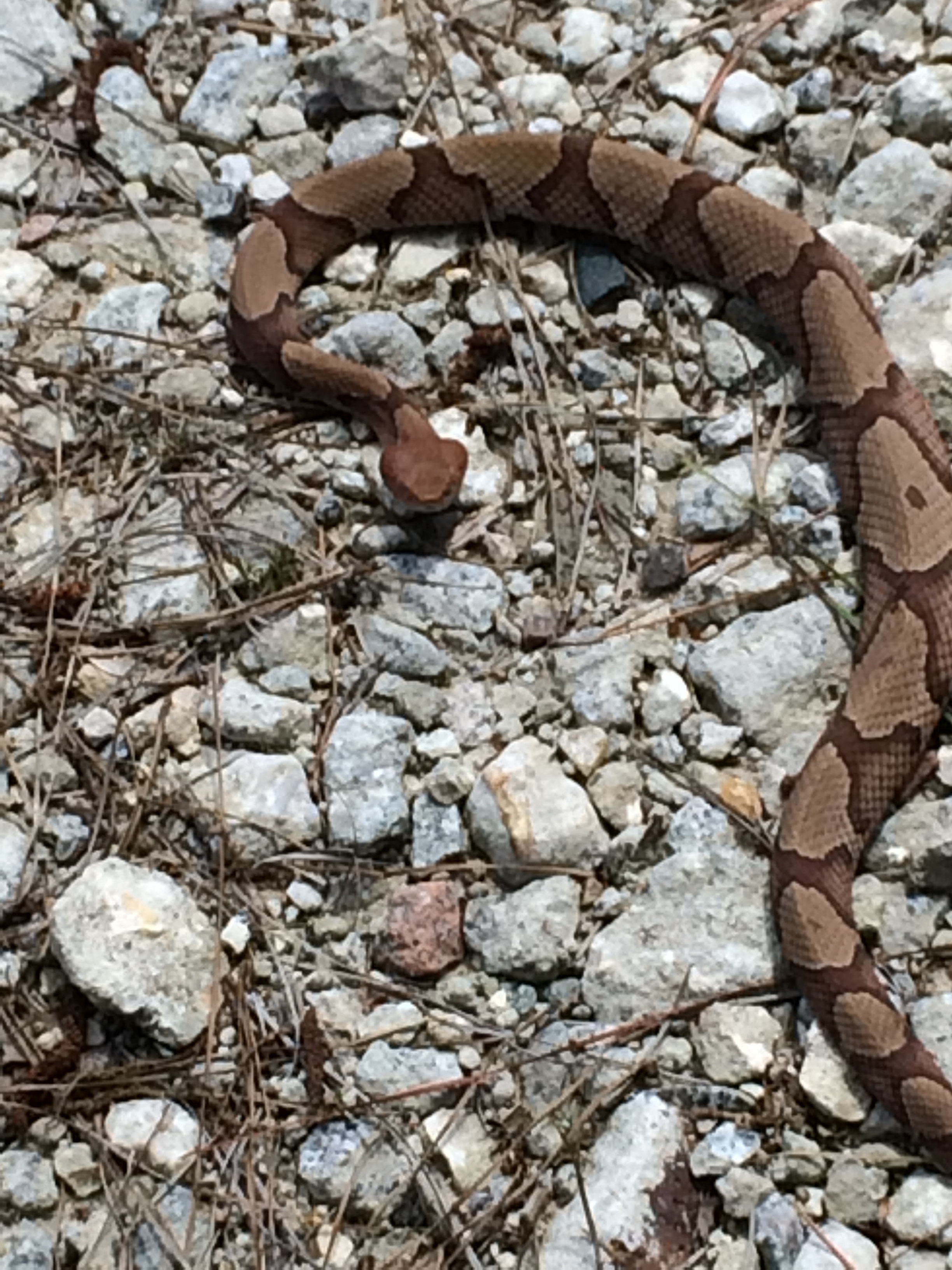
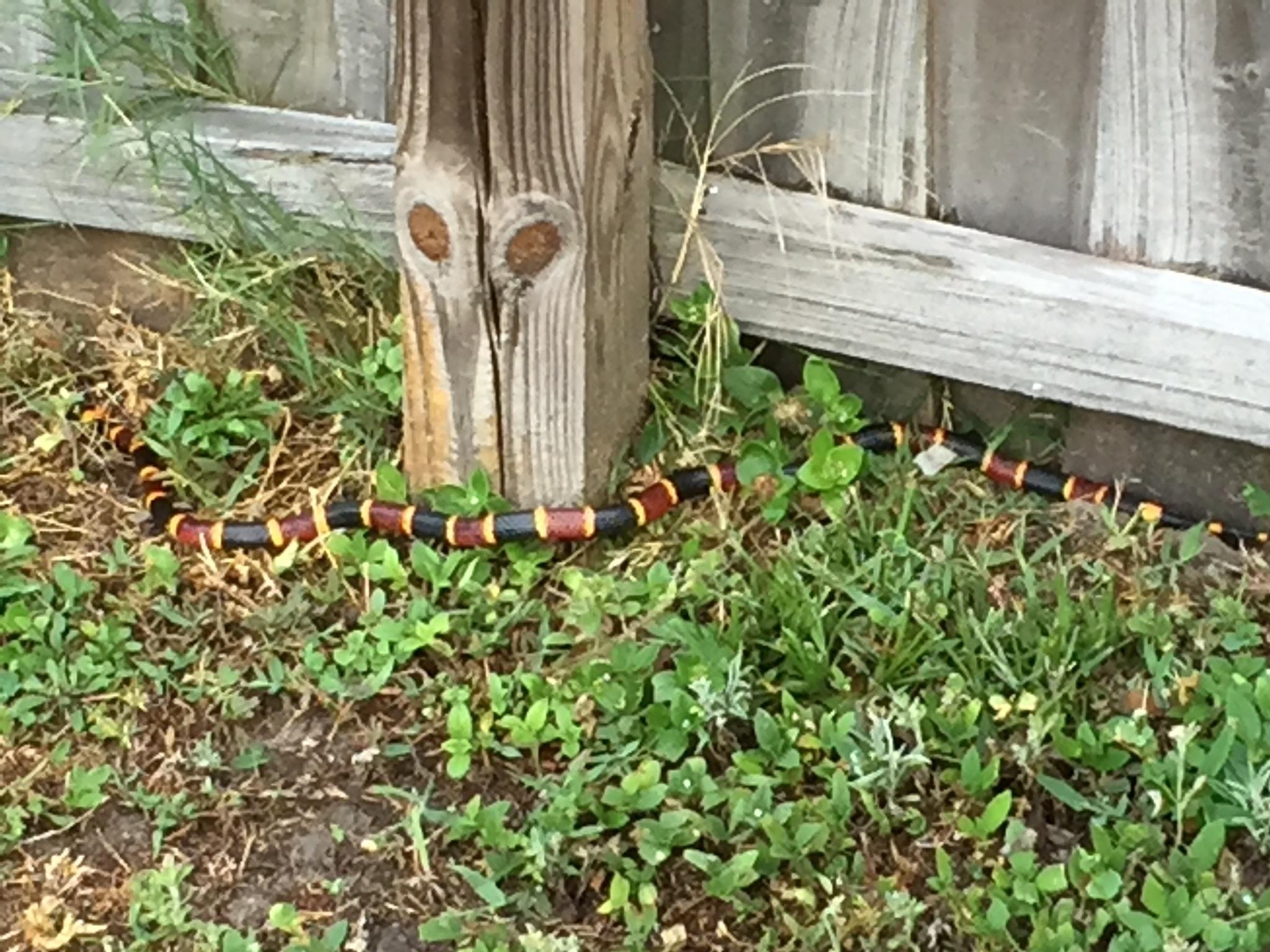
The timber rattlesnake's banded pattern is shared by several harmless species in Northeast Florida. Knowing the differences protects both you and beneficial non-venomous snakes.
Eastern Ratsnake (Pantherophis alleghaniensis)
Non-venomousAdults are black or dark gray; juveniles have a blotched pattern that can cause confusion. Round pupils, no rattle, slender body, narrow head that blends into neck. Very common in wooded areas throughout Northeast Florida.
Florida Pine Snake (Pituophis melanoleucus mugitus)
Non-venomousBlotched pattern on a pale background. Round pupils, no rattle, narrow pointed snout, large body. Vibrates tail loudly in dry leaves when threatened — can mimic a rattle. Completely harmless and a beneficial rodent predator.
Corn Snake (Pantherophis guttatus)
Non-venomousOrange-red blotches with dark borders on a gray or brown background. Round pupils, no rattle, slender body, narrow head. Much smaller than a timber rattlesnake. Very common in wooded yards and gardens.
Eastern Kingsnake (Lampropeltis getula)
Non-venomousShiny black with white or yellow chain-like crossbands. Round pupils, no rattle, slender body. Actually preys on venomous snakes including rattlesnakes. Completely harmless to humans and highly beneficial.
Venom & Medical Importance
Timber rattlesnake venom is complex — it contains both hemotoxic components that destroy tissue and disrupt clotting, and in some populations, a potent neurotoxic component (canebrake toxin) that can cause neurological symptoms including muscle paralysis. Bites are life-threatening medical emergencies. A large adult can deliver a substantial venom load. Symptoms include severe local pain, rapid swelling, tissue necrosis, and potentially neurological effects. If bitten: call 911 immediately, keep the victim calm and still, immobilize the bitten limb below heart level, and remove rings or tight clothing near the bite. Do NOT apply a tourniquet, cut the wound, apply ice, or attempt to suck out venom.
What To Do If You See One
Stop and look carefully — they blend into leaf litter and forest floors almost perfectly
Back away slowly to a safe distance — at least 10 feet
Keep all people and pets away from the area
Do not attempt to handle, pin, move, or kill the snake
Note the exact location to help the removal technician
Call Jacksonville Snake Removal at (904) 512-1281 for immediate professional response
Licensed Rattlesnake Removal — Northeast Florida
Our technicians are trained in safe venomous snake handling and relocation. We serve Jacksonville, St. John's County, and St. Augustine 24/7.
Call (904) 512-1281