
Pigmy Rattlesnake Identification
Florida's Smallest — and Most Commonly Encountered — Venomous Snake
The Florida pigmy rattlesnake (Sistrurus miliarius barbouri) is the most frequently encountered venomous snake in Northeast Florida. Small, well-camouflaged, and quick to strike, it's responsible for more venomous bites in Florida than any other species.
Quick Identification Guide
Size
Small — typically 14 to 22 inches; rarely exceeds 24 inches
Head shape
Broad, triangular, distinctly wider than the neck — classic pit viper shape
Rattle
Tiny rattle — often sounds like a buzzing insect rather than a classic rattle; easy to miss
Pupils
Vertical, elliptical (cat-like) pupils
Pit organs
Heat-sensing pit between eye and nostril on each side
Pattern
Gray to reddish-brown base with dark brown blotches down the back and smaller spots on the sides; often a reddish-orange dorsal stripe
Belly
Heavily mottled with dark spots on a white or gray background
Tail tip
Thin, tapered tail ending in a small rattle; juveniles have a bright yellow tail tip used for caudal luring
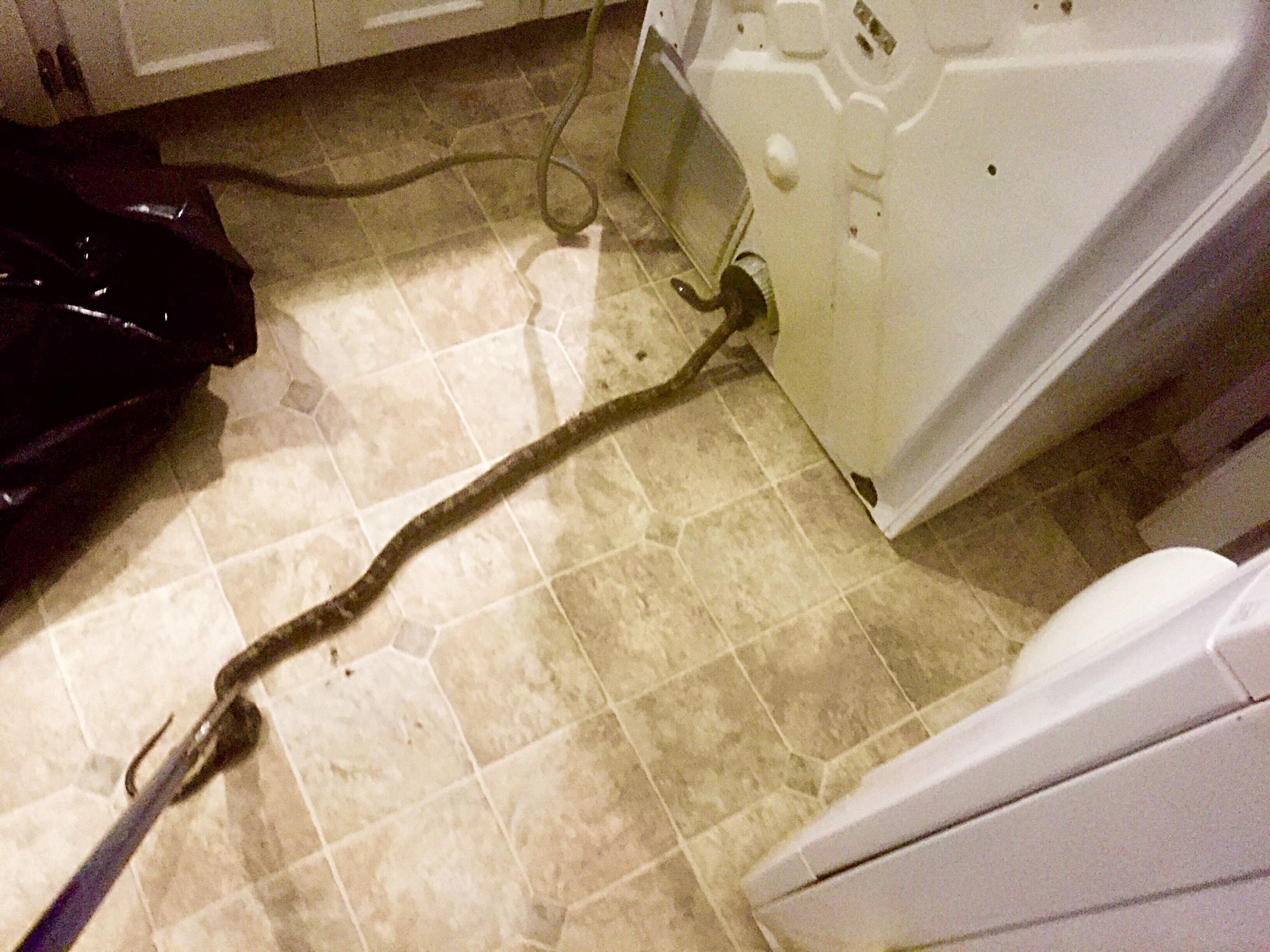
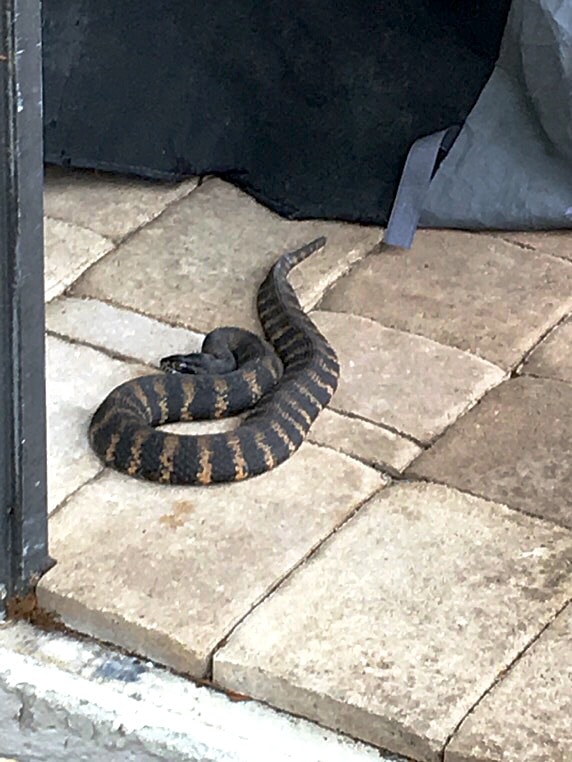
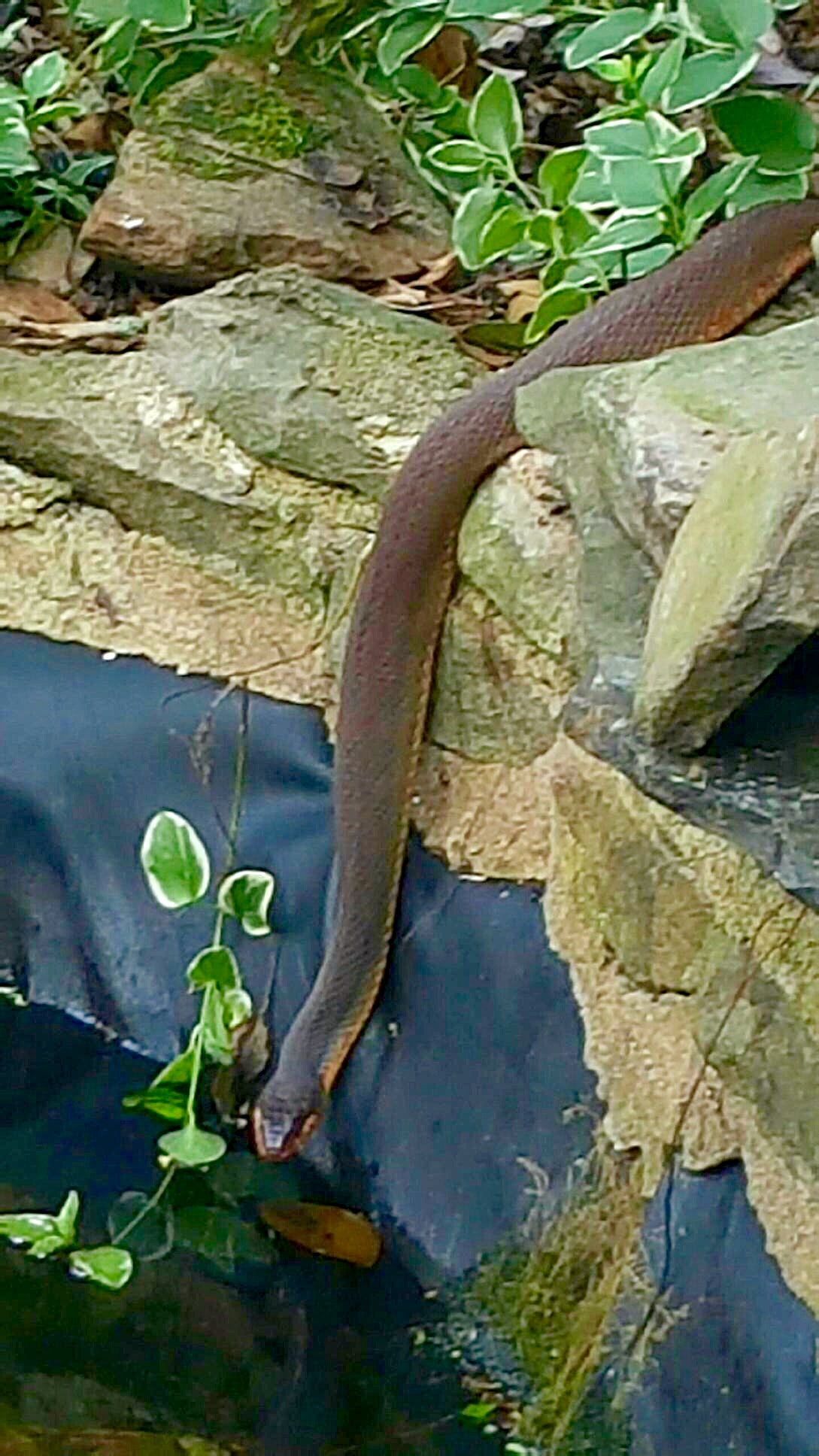
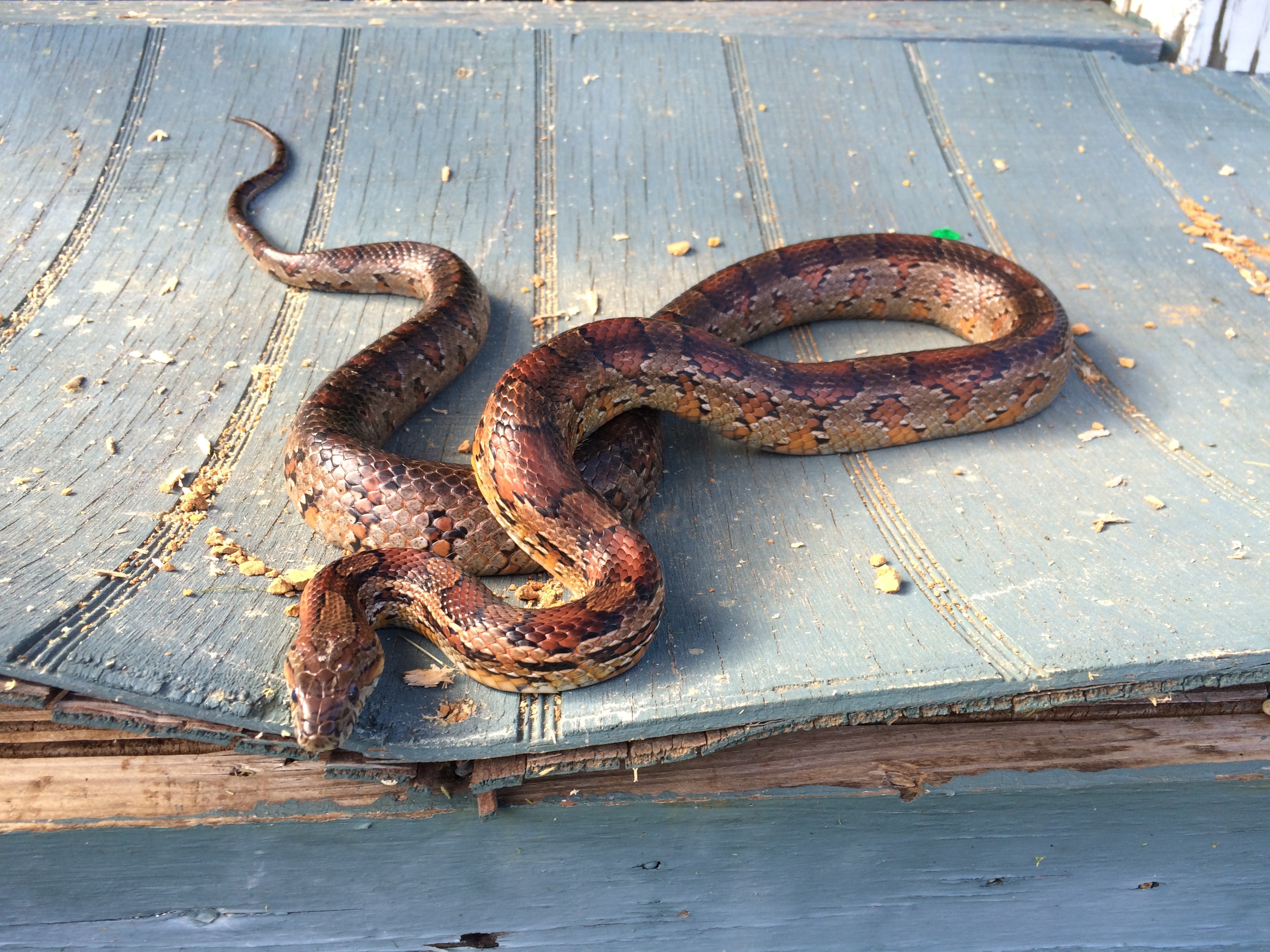
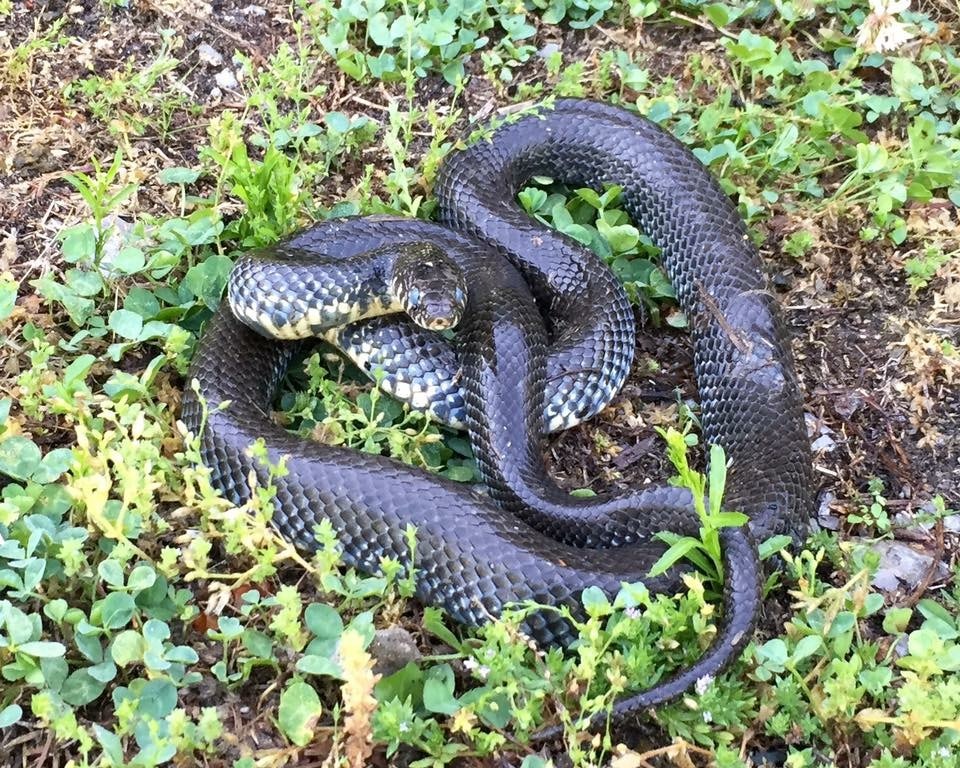
Behavior & Habitat
Where They Live
Pigmy rattlesnakes thrive in a wide range of habitats across Northeast Florida — pine flatwoods, palmetto scrub, mixed hardwood forests, lake and pond margins, and suburban yards with leaf litter or brush piles. They are especially common in St. John's County neighborhoods near natural areas, golf course edges, and retention pond banks.
Camouflage & Concealment
Their cryptic pattern makes them extraordinarily difficult to spot against leaf litter, pine straw, and sandy soil — the most common environments in Northeast Florida yards. Most bites occur when someone steps on or near one they never saw. Always watch your step in natural areas and wear closed-toe shoes outdoors.
Temperament
Pigmy rattlesnakes are quick to strike when disturbed and may not rattle before doing so. Their small size leads many people to underestimate them. Despite producing less venom per bite than larger rattlesnakes, their bites cause significant local tissue damage and require prompt medical evaluation.
Common Look-Alikes in Northeast Florida
The pigmy rattlesnake's blotched pattern resembles several harmless species. Correct identification prevents unnecessary harm to non-venomous snakes — and prevents dangerous misidentification of a venomous one.
Scarlet Kingsnake (Lampropeltis elapsoides)
Non-venomousRed, black, and yellow banding — very different pattern. Round pupils, no rattle, slender body. Often confused with coral snakes, not rattlesnakes, but worth noting as a common harmless species.
Florida Pine Snake (Pituophis melanoleucus mugitus)
Non-venomousBlotched pattern can superficially resemble a pigmy rattlesnake at a glance. Round pupils, no rattle, narrow head that blends into neck, much larger body (4–6 feet). Hisses loudly and vibrates tail when threatened.
Corn Snake (Pantherophis guttatus)
Non-venomousOrange-red blotches on gray or brown background. Round pupils, no rattle, slender body, narrow head. Very common in Northeast Florida yards and gardens. Completely harmless and beneficial.
Eastern Hognose Snake (Heterodon platirhinos)
Non-venomousBlotched pattern and habit of flattening its head when threatened can mimic a pit viper. Round pupils, no rattle, upturned snout. Will play dead dramatically when threatened. Completely harmless.
Venom & Medical Importance
Pigmy rattlesnake venom is hemotoxic and cytotoxic — it destroys tissue and disrupts blood clotting. While bites are rarely fatal in healthy adults, they cause severe local pain, swelling, and tissue necrosis that can result in permanent damage if untreated. Children and pets are at higher risk due to their smaller body mass. If bitten: stay calm, immobilize the limb, remove rings or tight clothing near the bite, and go to an emergency room immediately. Do NOT apply a tourniquet, cut the wound, apply ice, or attempt to suck out venom.
What To Do If You See One
Stop moving — look carefully before taking another step; they blend into the ground
Back away slowly — do not attempt to handle, pin, or kill the snake
Keep children and pets away from the area immediately
Note the exact location — under a bush, near a door, in the yard — to help the technician
Call Jacksonville Snake Removal at (904) 512-1281 for safe, professional removal
Licensed Rattlesnake Removal — Northeast Florida
Our technicians are trained in safe venomous snake handling and relocation. We serve Jacksonville, St. John's County, and St. Augustine 24/7.
Call (904) 512-1281